I thought I’d dedicate a post to foods that might not be familiar to some people in my home country of the United States, but are commonly used in some countries outside of the US. There are also some foods available in my local stores, that even I’ve yet to try, mostly because I’m unsure how to use them.
My husband is Czech, so he’s introduced me to a number of new ingredients for recipes. I’m lucky that most of them are available in my grocery stores, especially the biggest one near me. If not, we have been able to order them online or find them in ethnic grocery shops, like a local Polish grocery. Sometimes in the grocery store the cashier looks at the item quizzically and asks “What is that?” I asked that question once myself. To keep the list from being too long, I’m focusing on foods my Czech husband introduced me to. Here are some of them:
Kohlrabi
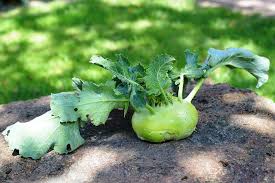 Also known as German turnip or turnip cabbage, kohlrabi is a vegetable whose origin of nature is the same as cabbage, broccoli, cauliflower, kale, and Brussels sprouts. The taste and texture is similar to a broccoli stem or cabbage heart, but milder and sweeter. Generally, the skin and stem greens are peeled off before eating the bulb. Kohlrabi tastes great raw as a snack plain or with a veggie dip, or in salads or slaws. Cooked, kohlrabi is great prepared like rutabaga, cubed then cooked and served with butter, or chopped or sliced and cooked in soups or casseroles. Its leaves can be cooked and served like collard greens or kale. My favorite way to use kohlrabi (other than as a raw snack) is to make Scalloped Kohlrabi and Potatoes. I add a little grated Gruyere cheese to the top half-way through baking to make it “au gratin”. The flavor combination is delicious! This vegetable is usually located near carrots and parsnips in my grocery store.
Celery Root
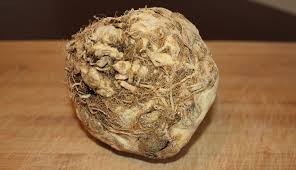 Also known as celeriac, turnip-rooted celery, or knob celery, celery root is a variety of celery cultivated just for the roots. In my husband’s country of Czech Republic, they generally do not eat the long green crunchy stalks that people in the US are most familiar with. The celery root has a similar, but even stronger flavor than the common celery stalks in the US. To prepare celery root, the stem and outer gnarly skin is peeled off with a paring knife. The peeled root can be eaten raw, roasted, stewed, blanched, or mashed. Popular ways to eat celery root in Czech Republic are small diced and cooked and added to potato salad, or in soups or casseroles. The leaves and stems are edible and flavorsome, and are often used as garnishes. My favorite recipes using this vegetable are Celery and Celeriac Soup (the celery root adds thickness), Bohemian Mushroom Soup, and Bohemian Potato Salad. This vegetable is usually located near carrots and parsnips in my grocery store.
Lovage
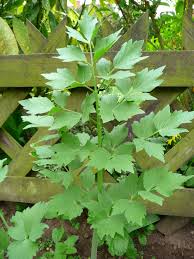 Lovage (Levisticum officinale) is a tall perennial herbaceous plant with a flavor somewhere between parsley and celery, but a bit stronger. Leaves, especially the younger ones, are great in salads, soups, or broth seasonings, chopped. Roots can be eaten as a vegetable, used to flavor soups (even after drying), or grated in salads. Seeds can be used as spices, and are similar in taste to fennel. Stalks can sometimes also be used chopped in soups, especially in recipes like Lovage and Potato Soup. This herb is not available in my local grocery stores (fresh or dried), but can be purchased fresh at some garden centers in their herb sections or dried in some ethnic grocery shops (ask the clerk), like my local Polish grocery. My husband loves lovage in soups and stews, and even chopped fine in cream cheese for a spread.
Farmer’s cheese

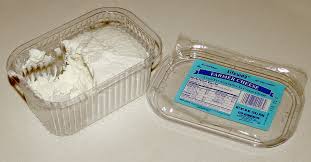
Farmer’s cheese is an unripened pressed cottage cheese. It looks a little bit like ricotta cheese, but has a slightly more acidic taste, though not unpleasantly. Farmer’s cheese is sold in some US stores either like a pot cheese or in a similar form as a slightly harder goat cheese, but these are not the same products. Popular dishes made with farmer’s cheese include blintzes, pierogis, dumplings, fillings for sweet rolls, or spreads with herbs or other flavorings. Also popular in Czech Republic is to top egg noodles with grated farmer’s cheese, butter and poppy seeds. I have included even more details on farmer cheese in my post for Strawberry Dumplings. Farmer’s cheese is usually located in the dairy section of the grocery store, near cottage cheese and/or ricotta cheese.
Kefir (or Kephir)
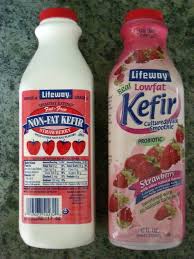 Also known as milk kefir or bulgaros, kefir is a fermented milk drink prepared by inoculating cow, goat, or sheep milk with kefir grains. The fermentation of its lactose yields a sour, mildly carbonated, and slightly alcoholic beverage (very very little) with a consistency and taste similar to yogurt. Its appearance may remind some people of buttermilk. Unlike buttermilk, kefir is generally lactose free and more nutritious. Its taste will be slightly different than buttermilk. Though mostly consumed as a beverage, kefir can be used in making sour dough bread and some other recipes calling for buttermilk. Kefir is one of the main ingredients in the cold soup borscht in Lithuania and Poland. It can also be used in place of milk on cereal, granola, or in milkshakes. Some stores sell kefir in fruit flavors. This product is usually found in the dairy section of the grocery store.
If you know of any other unique foods in the US not mentioned above (or from anywhere in the world) that would be interesting for us to learn about, please do describe them, and how you use them. I’m specifically interested in flavorful foods that add a unique taste to a recipe or eaten on their own.