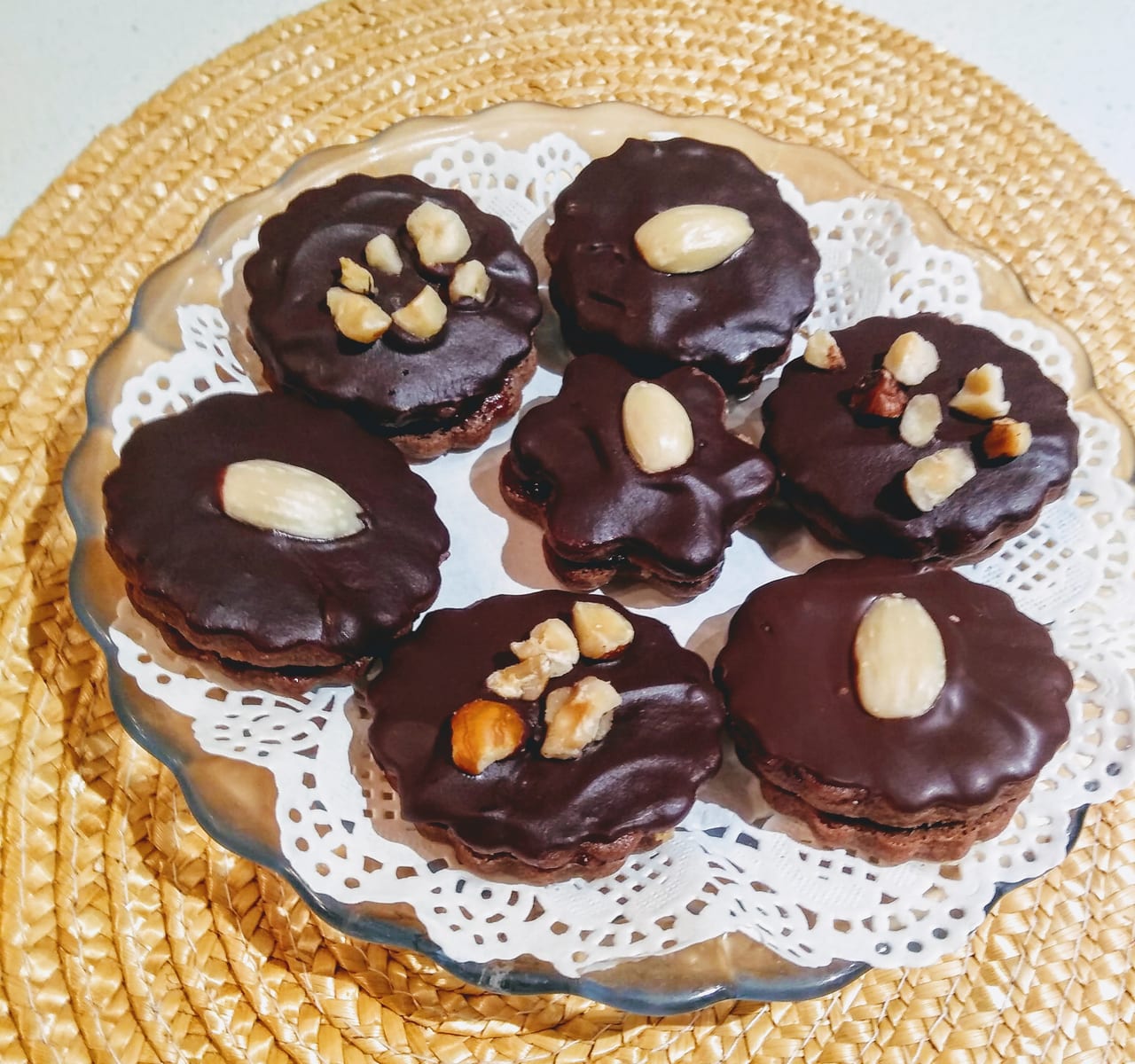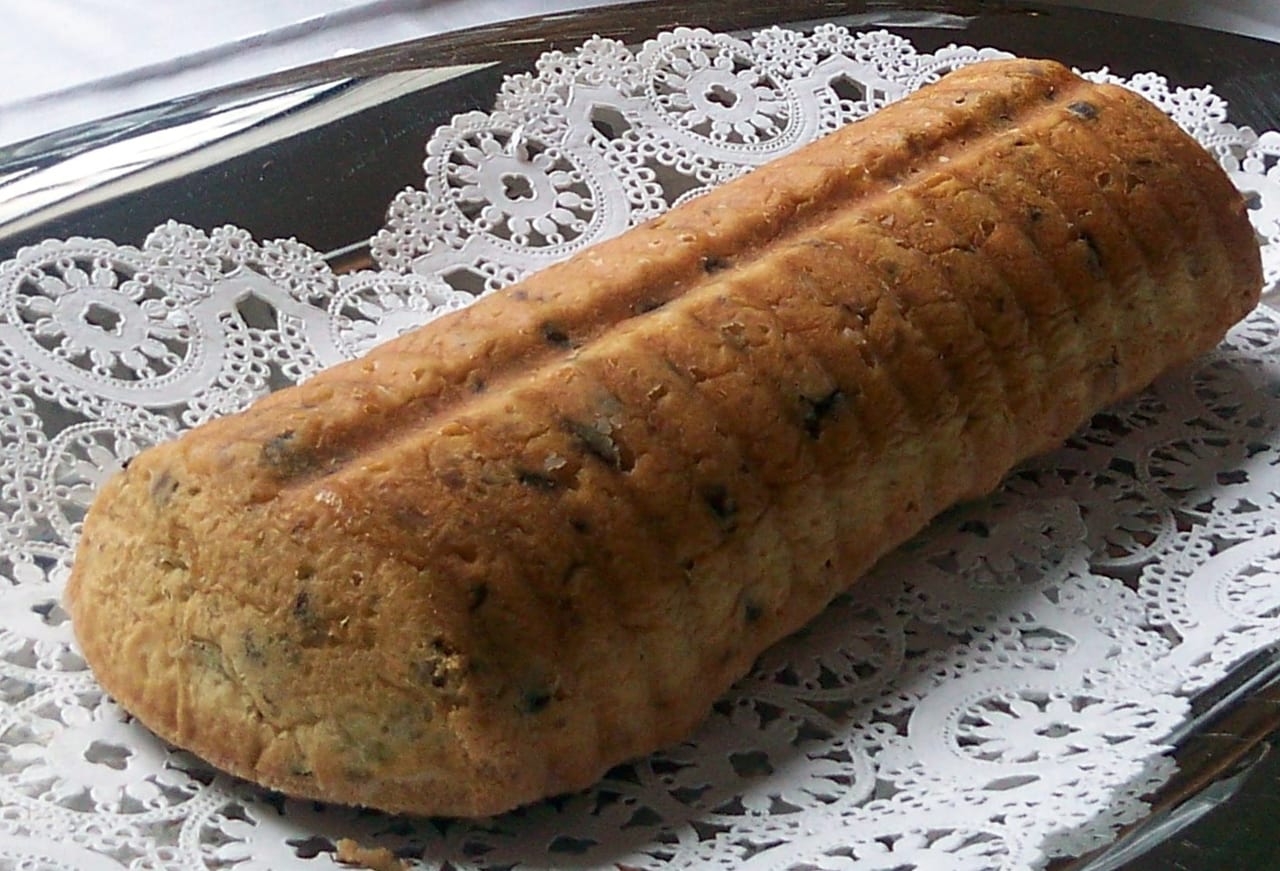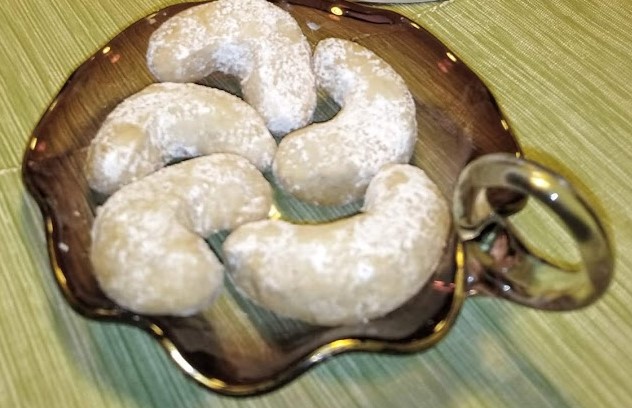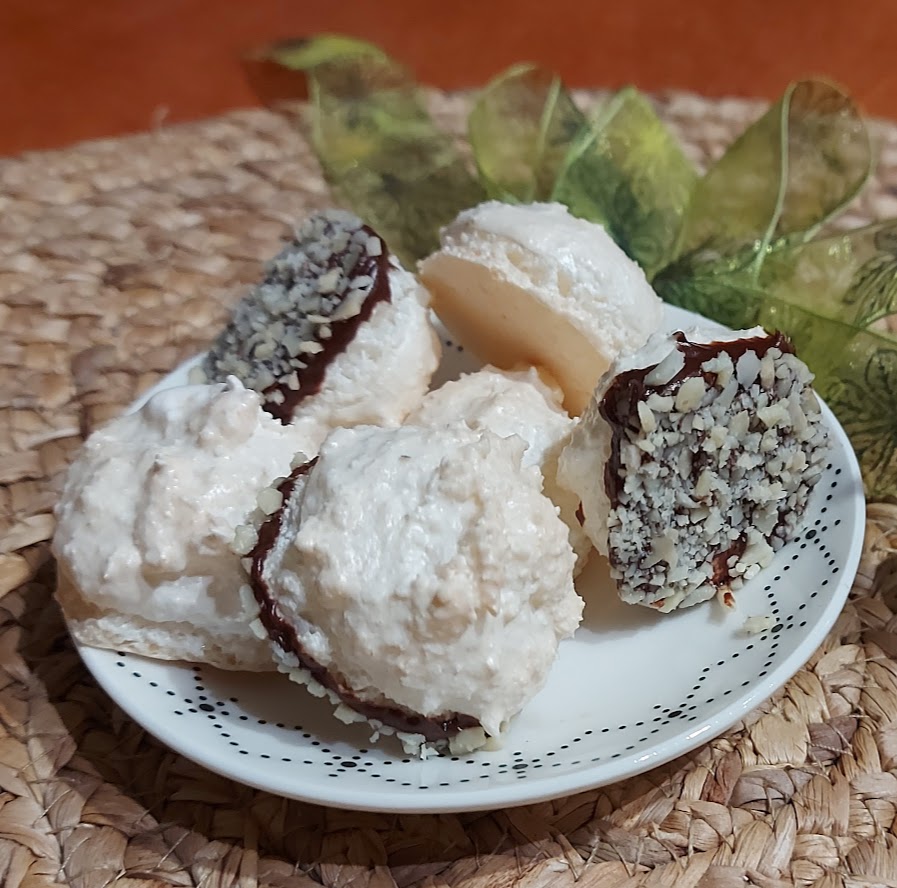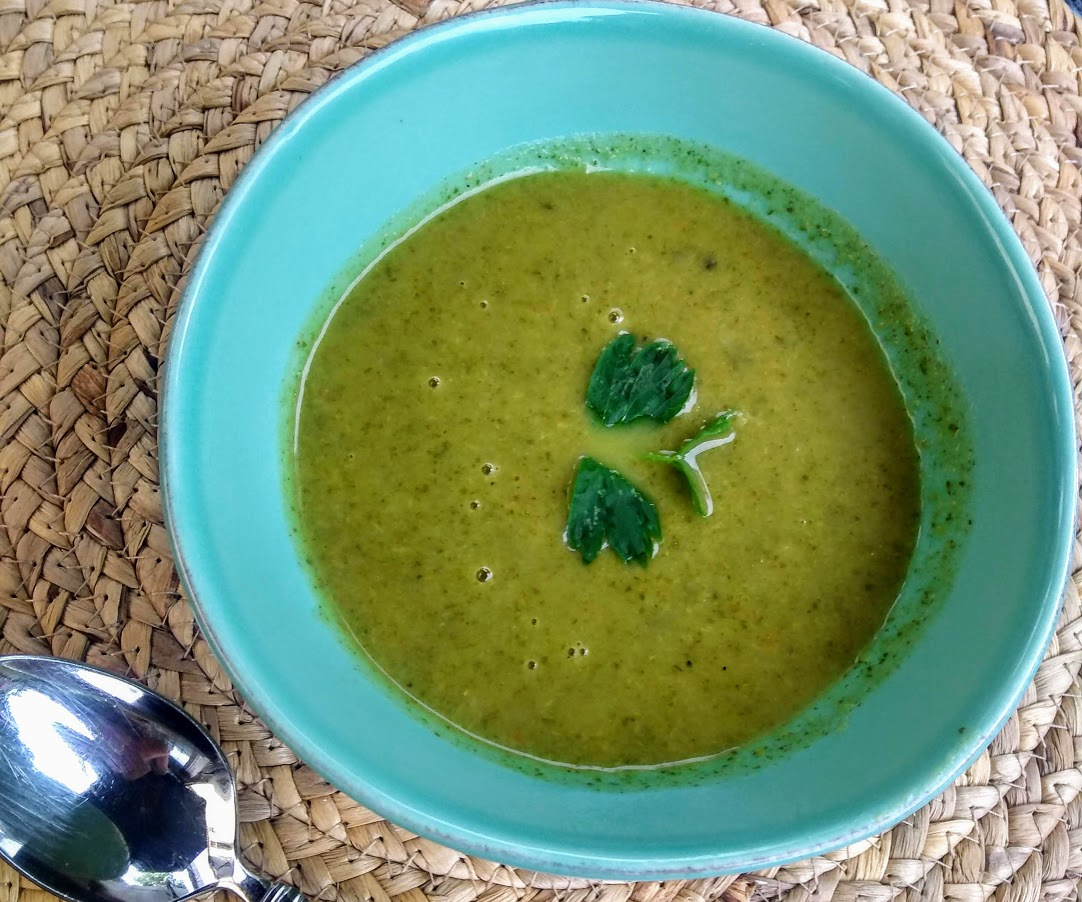
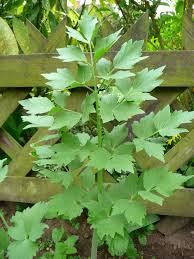
Lovage Soup (Libečková polévka)

Lovage soup in a bowl

lovage
Just coming up in the spring. More stalks to come.

The herb lovage (levisticum officinale) is much more commonly used in Europe than the United States, but I’m lucky to say that it is a part of my herb garden. My Czech husband and I found it at a garden center in New Jersey, several years back. This sturdy tall perennial herb has come up every spring since, and lasts into early autumn.

Lovage has a flavor reminiscent of celery and parsley, so goes extremely well in soups and many other recipes. The whole plant is edible, even down to the roots, but in this recipe I use the stalks and leaves. Lovage is the star ingredient of this soup, along with root vegetables that add additional flavors, thickness, and a bit of sweetness. It’s important to use stalks with younger leaves, otherwise it can be slightly bitter. The recipe can be made vegetarian, or even vegan, easily. Continue reading →
Cooking, Cooking Lightherbs, levisticum officinale, Libečková polévka, lovage, lovage soup, perennial, recipes, soup, vegan, vegetable, vegetarian

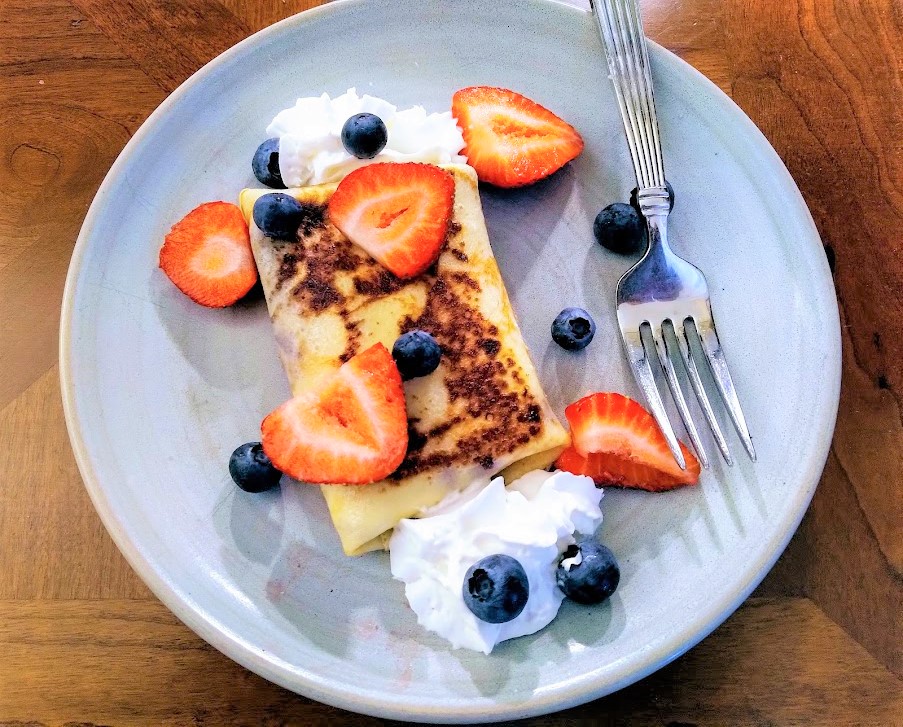
Diet-Friendly Wild Blueberry Blintzes

Diet Friendly Wild Blueberry Blintz1 (3)
Each blintz is ~ 120 calories, excluding whipped topping and extra berries (as made below)

Fewer than 20 minutes drive from my house is a Polish food shop. Having a Czech husband, that store’s presence is valuable, since some products are the same or similar as ones he grew up with. They always have fresh blintzes for sale, which I especially enjoy eating. Since theirs are definitely not low calorie, I worked out a version that is diet-friendly, but still tastes plenty good. Continue reading →

Cooking, Cooking Lightblintz, blintzes, crepes, desserts, diet-friendly, low calorie, recipes, ricotta cheese

Malakov Trifle (Malakoff Trifle)

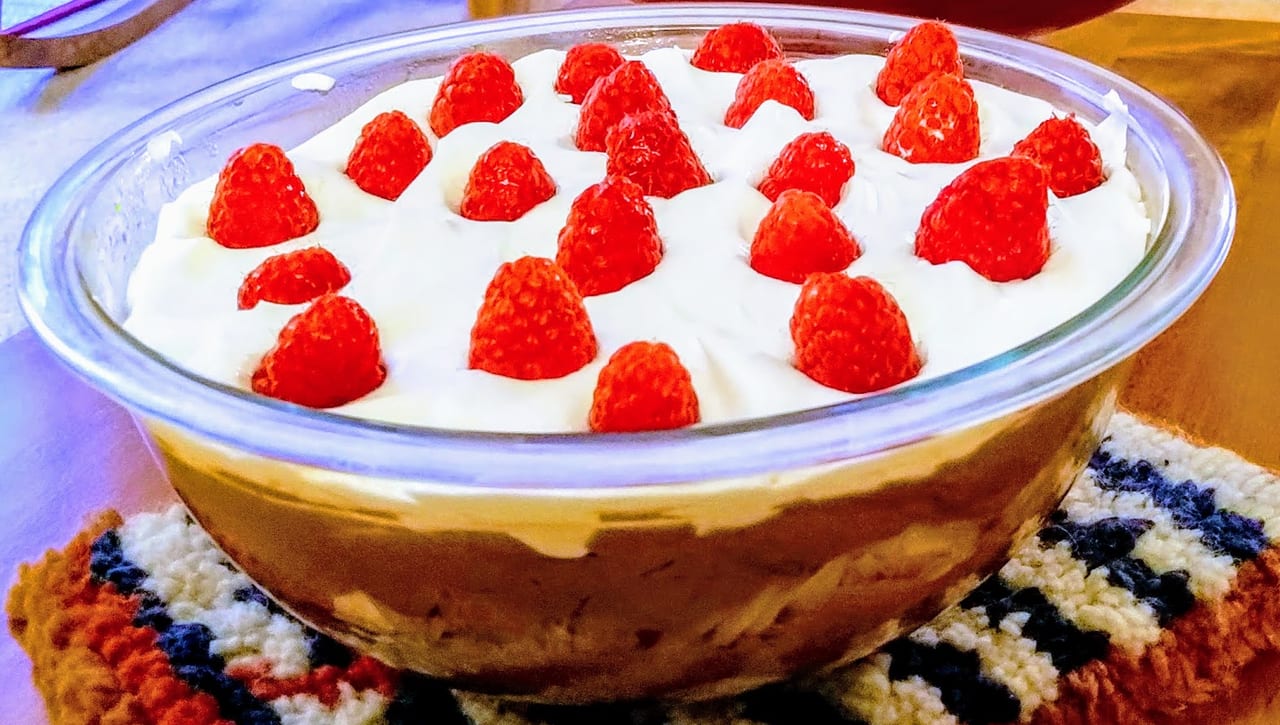
Malakov closeup profile view
“Mňam!” as Czechs say.

My Czech mother-in-law frequently made this trifle version of a Malakov (sometimes spelled “Malakoff”). Treasures of yumminess, like slivered almonds, banana slices, orange segments, and raspberry preserves filled vanilla wafer cookie sandwiches, reside in an intensely delicious thick chocolate mousse, which she called “Paris Cream”. It is best left to chill for at least 24 hours before final decorating and serving. Everyone I know that has tasted this has been overwhelmed with pleasure. For that reason, I sometimes call it “Chocolate Paris Cream Delight”. Continue reading →

Cooking, Czech relatedbananas, chocolate, Czech desserts, dessert, fruit, Malakoff, Malakov, mousse, oranges, raspberries, trifle, trifles, whipped cream

Czech and Slovak Flours in the US and UK (and substitutions)

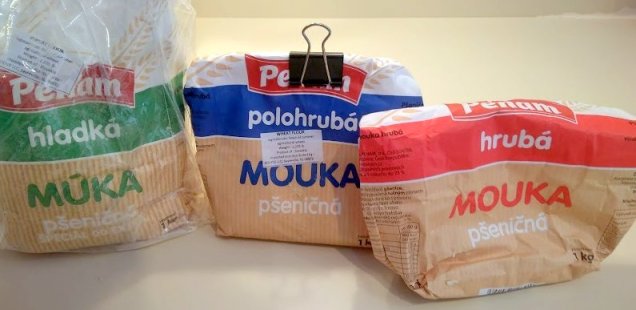
Czech-Slovak flours
Hladká (smooth), polohrubá (semi-coarse), and hrubá (coarse) mouka

In the past, I have posted several Czech recipes on my blog. As an enthusiastic home cook and baker in the US, it is natural that I would make my native Czech husband foods that he grew up eating in Prague. My mother-in-law was an excellent home cook, and I’m lucky that she shared several recipes.

My husband and I have been together for almost 25 years now. Early in our marriage, I struggled to get some Czech dishes right, but have since mostly mastered them. In the early years, the flours I had access to in the US (or rather didn’t) were issues. In this post, I describe some of the most commonly used flours in Czech Republic – particularly wheat-based flours – and possible substitutions. The main wheat flours in Czech Republic are described according to coarseness, from smooth all the way to very coarse. Continue reading →

Cooking, Czech relatedCzech, flour, Hladká, Hrubá, knedlíky, mouka, Polohrubá, substitutes, substituting, Česká mouka

Mazanec (Czech Easter Bread)

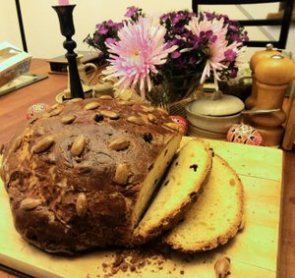
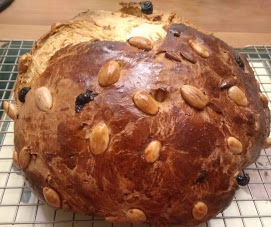
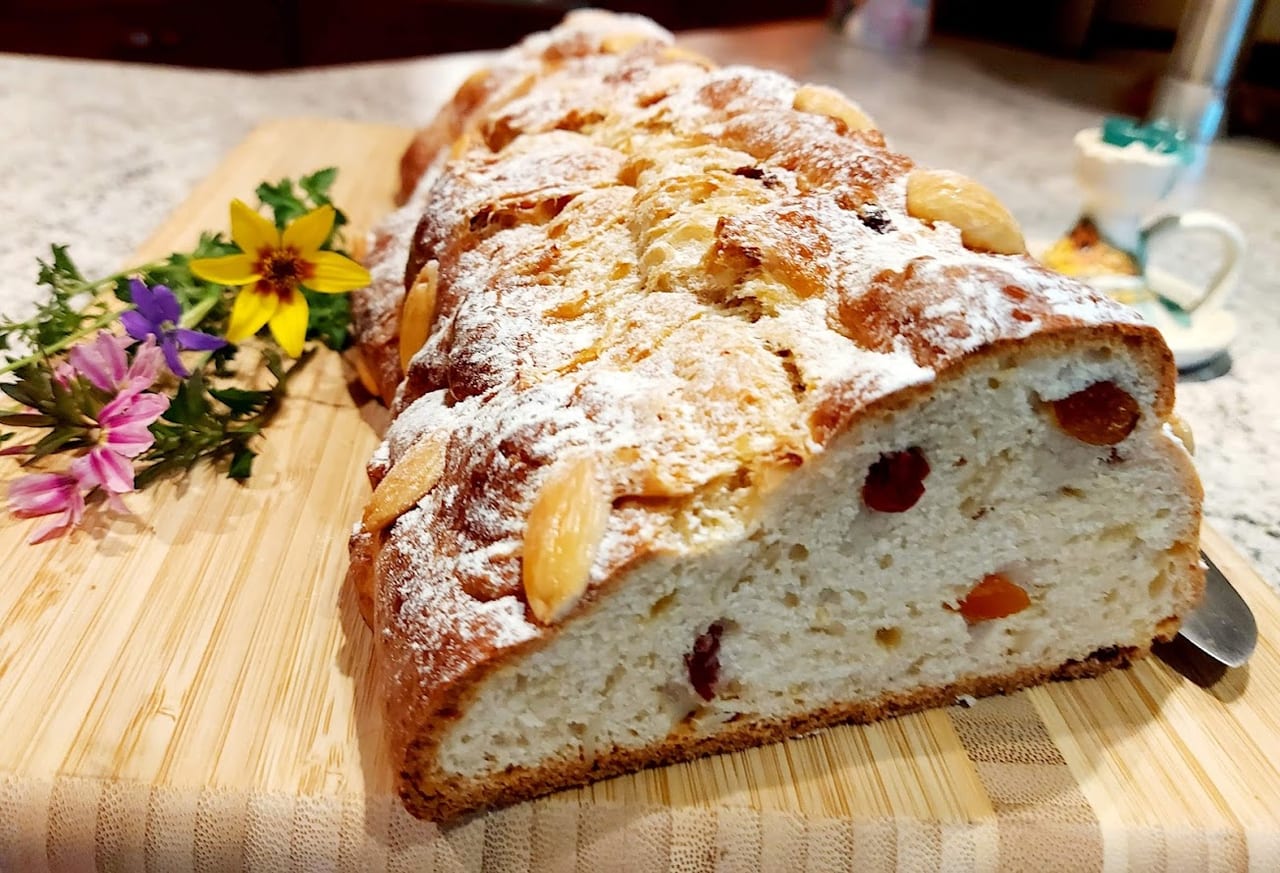
As a follow-up to my Christmas cookies of Czech Republic post, I decided to share my mother-in-law’s Easter bread recipe (“Mazanec”, in Czech). Mazanec is a slightly sweet bread with some fruit and nuts, and subtle vanilla and lemon flavor. My Czech husband has always preferred Mazanec over the similar, but differently shaped, Christmas bread, called “Vánočka”. Continue reading →

Cooking, Czech relatedbaking, bread, Czech bread, Czech Easter bread, Czech Republic, Easter, Easter bread, Mazanec, traditions, yeast bread

Authentic Recipes for Czech Christmas Cookies and Sweet Breads (České Vánoční Cukroví)

Below you will find a large collection of authentic and traditional recipes for Czech Christmas cookies. I also  include Christmas breads, with two versions of vánočka. According to my Czech husband, my mother-in-law would make as many as 13 different varieties of Christmas cookies for her platter. I won’t be making that many, this year, but plan to have over 13 varieties in this post, and maybe even more, later down the line.

Continue reading →

Christmas cookies & sweets, Cooking, Czech relatedauthentic, baking, Christmas, Christmas cookies, cookies, Czech, Czech Christmas cookies, European Christmas cookies, Kolachky, recipes, sweets, traditional, Vanocka, vánoční cukroví, České vánoční cukroví

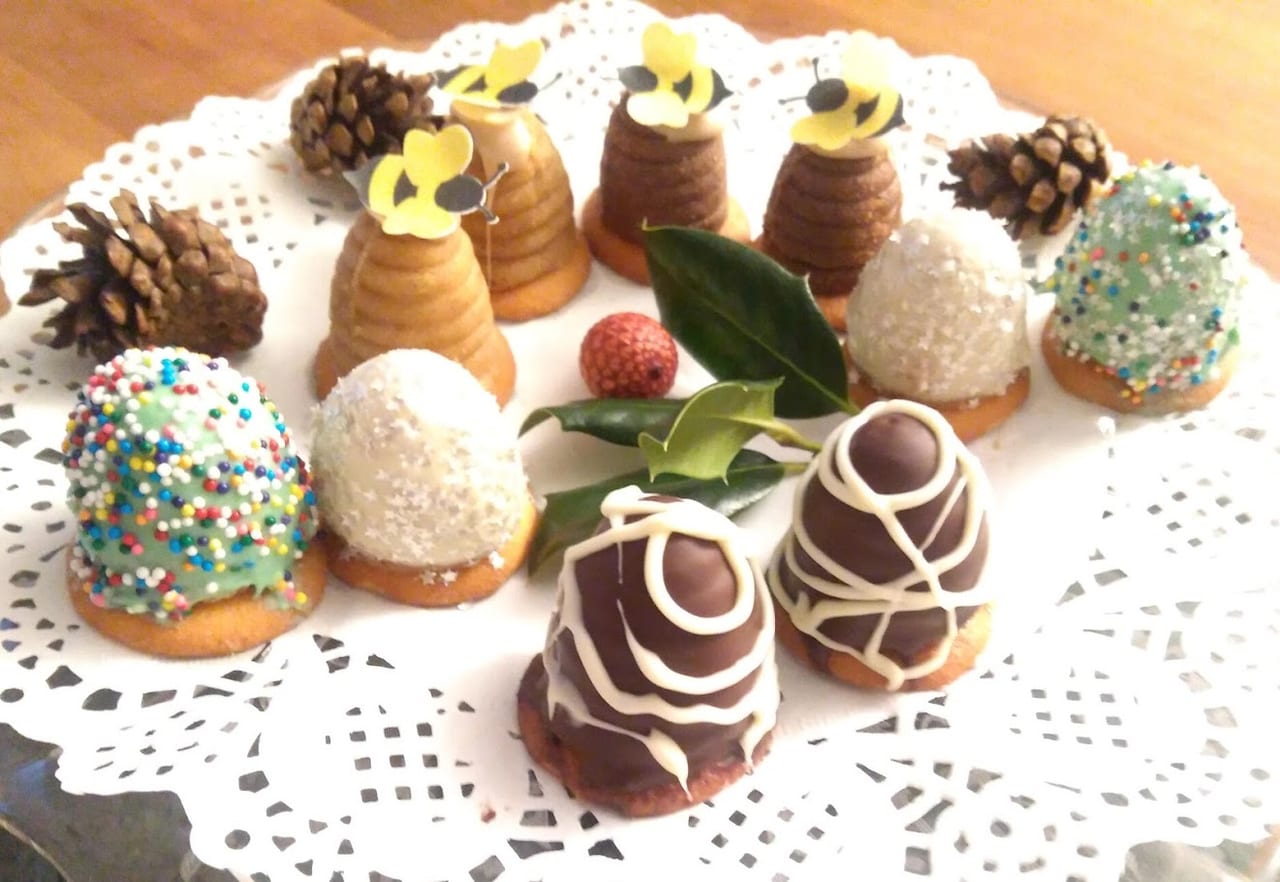
Bee Hive or Wasp Nests Cookies (Vosí Hnízda)

Vosi Hnizda final group finished photo
The Vosni Hnizda in the back are not coated with chocolate.

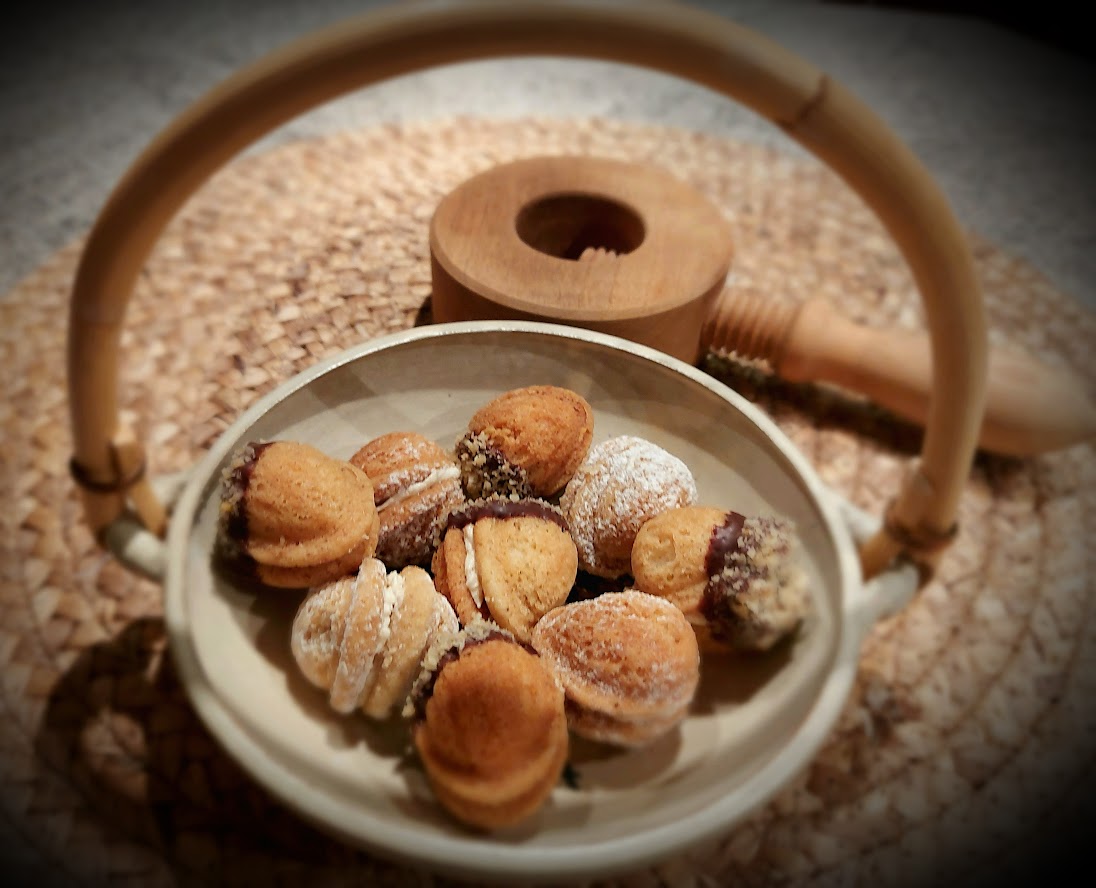
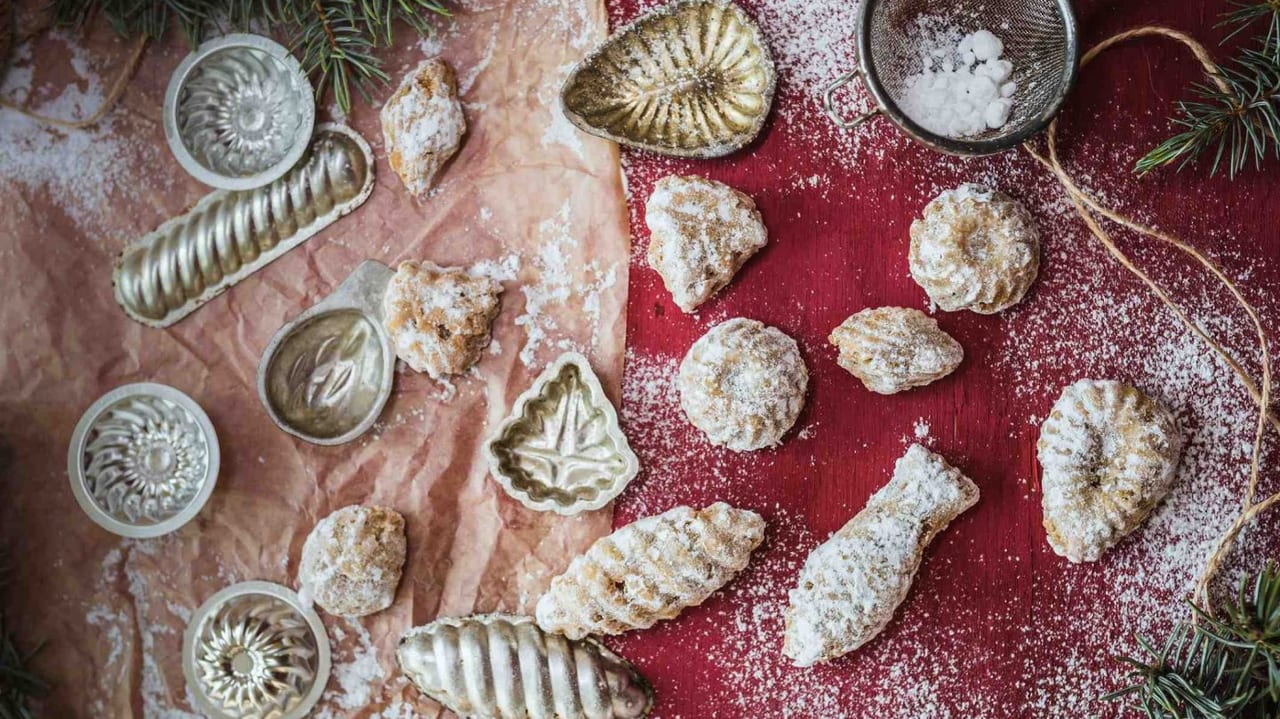
Vosi Hnizda are cute no-bake rum eggnog or custard filled 3-dimensional cookies. They generally require a special mold to make that’s available throughout Czech Republic, or can be found online, in the US. The traditional version includes a nut-based dough for the “nest” or “hive” part, though people with nut allergies can find no-nut versions online, elsewhere. My mother-in-law made them without cocoa, but those who like cocoa, can add it. They are traditionally filled with a rum-flavored eggnog or custard, but other flavors can be used. Continue reading →

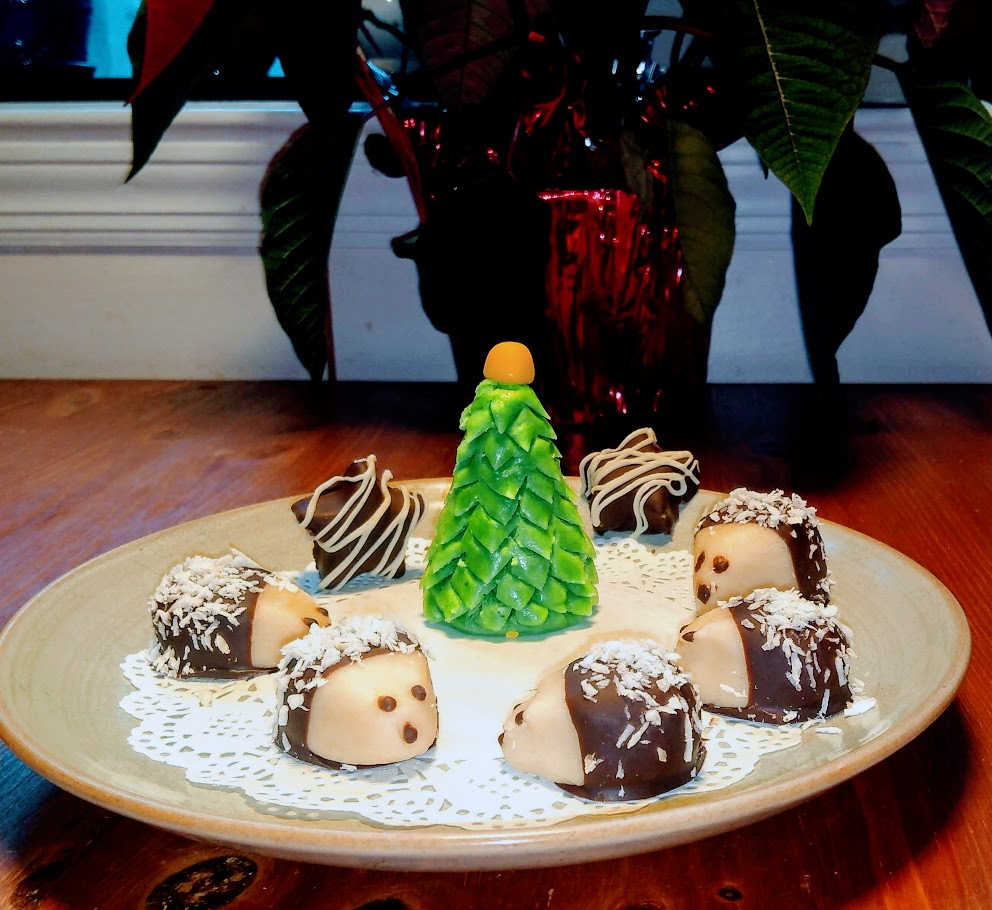
Marzipan Hedgehogs (Marcipánoví Ježci)

Marzipan M2 version
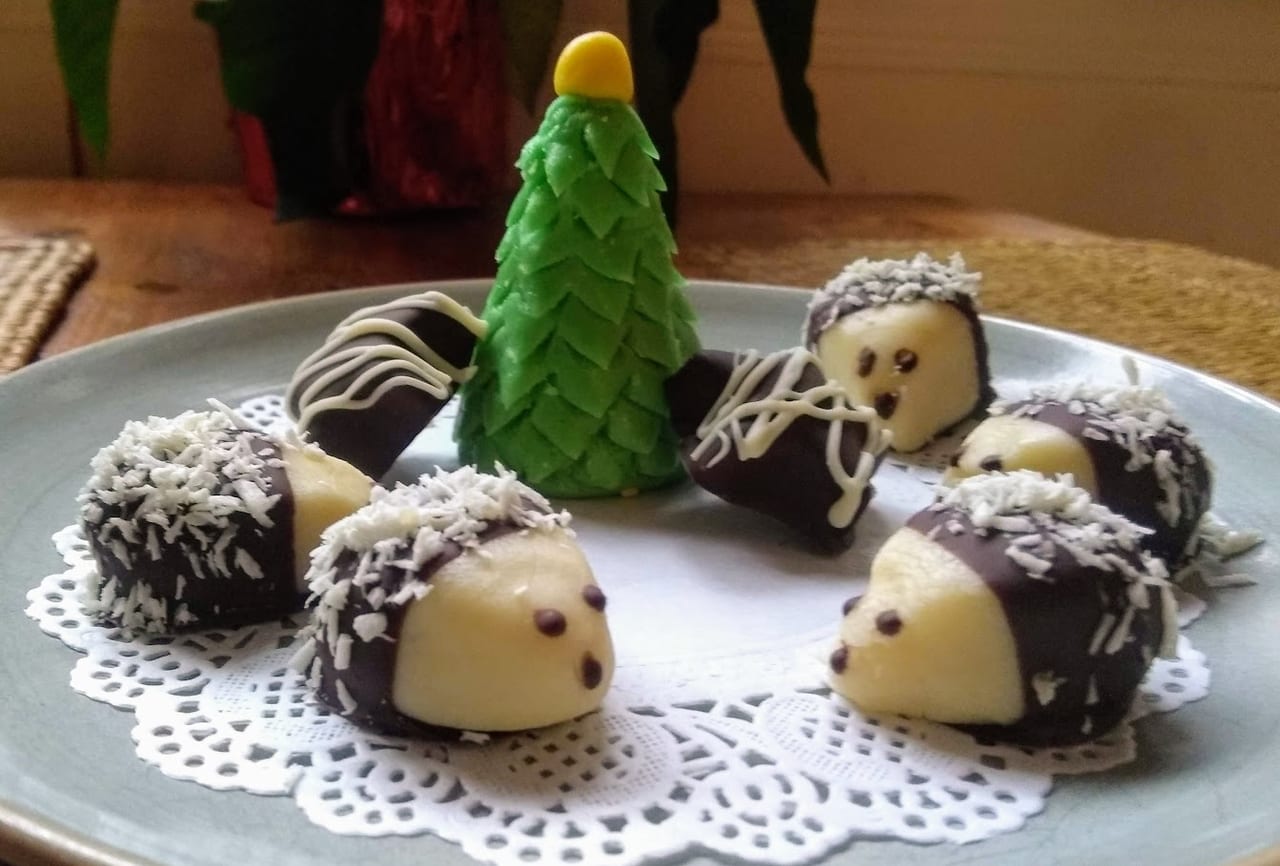
Marzipan hedgehogs with marzipan Christmas tree and marzipan candy star “gifts”

Czech Christmas Cookie/Confection #9

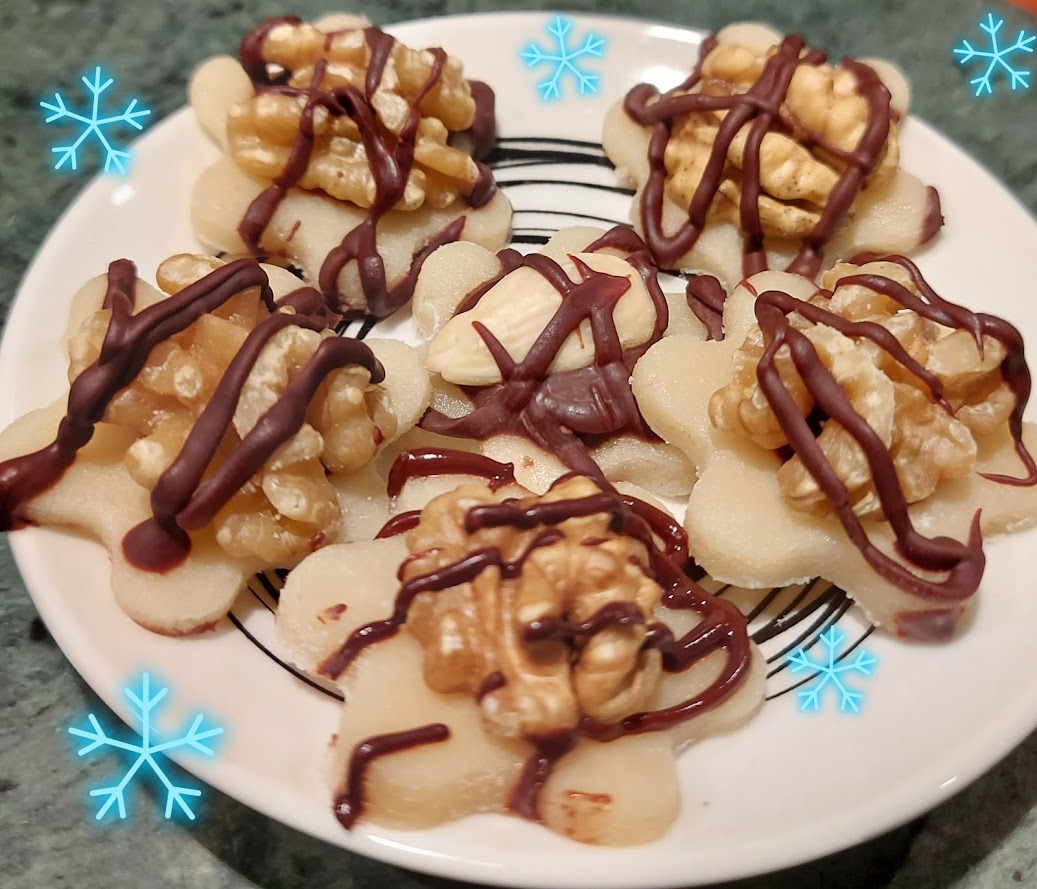
These cute little hedgehogs are not my mother-in-law’s creation, but I couldn’t resist including them in my Czech Christmas cookie countdown. Actually, they’re not really cookies either, but candy confections. Many Czechs (and other Europeans) love both marzipan confections and hedgehogs – animals that can occasionally be seen in rural areas of Europe. If you like, you can use some of the marzipan to make other shaped things, as I did in the photo above. Marzipan can be colored with gel food coloring, and decorated in many ways. It can also be used in recipes like sweet breads, baked cookies, and more. This recipe makes about 12 oz (350 g) of marzipan. These marzipan hedgehogs are not baked. Continue reading →

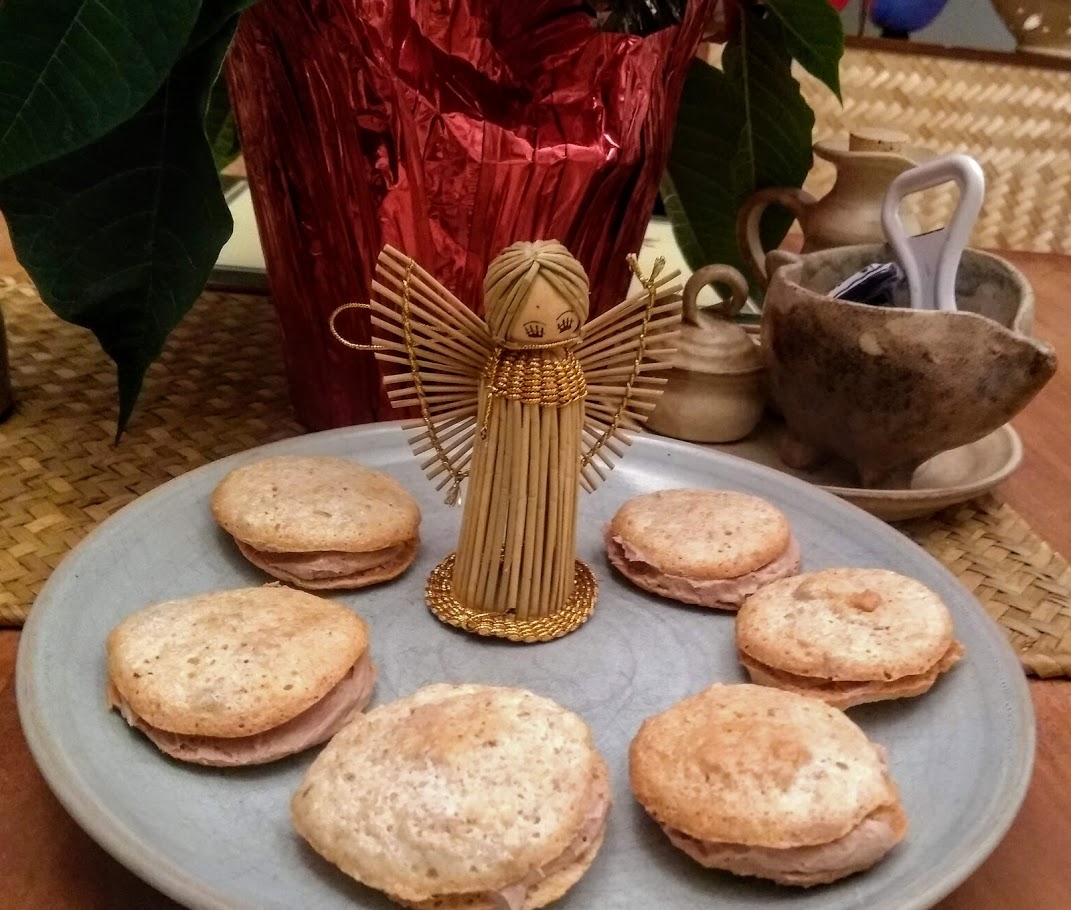
Princess Cookies (Princezky)

Princezky Princess cookies finished
Filled Princezky. Pipe the filling to make slightly prettier. Sorry the otvírák is in the photo.

Czech Christmas Cookie #8

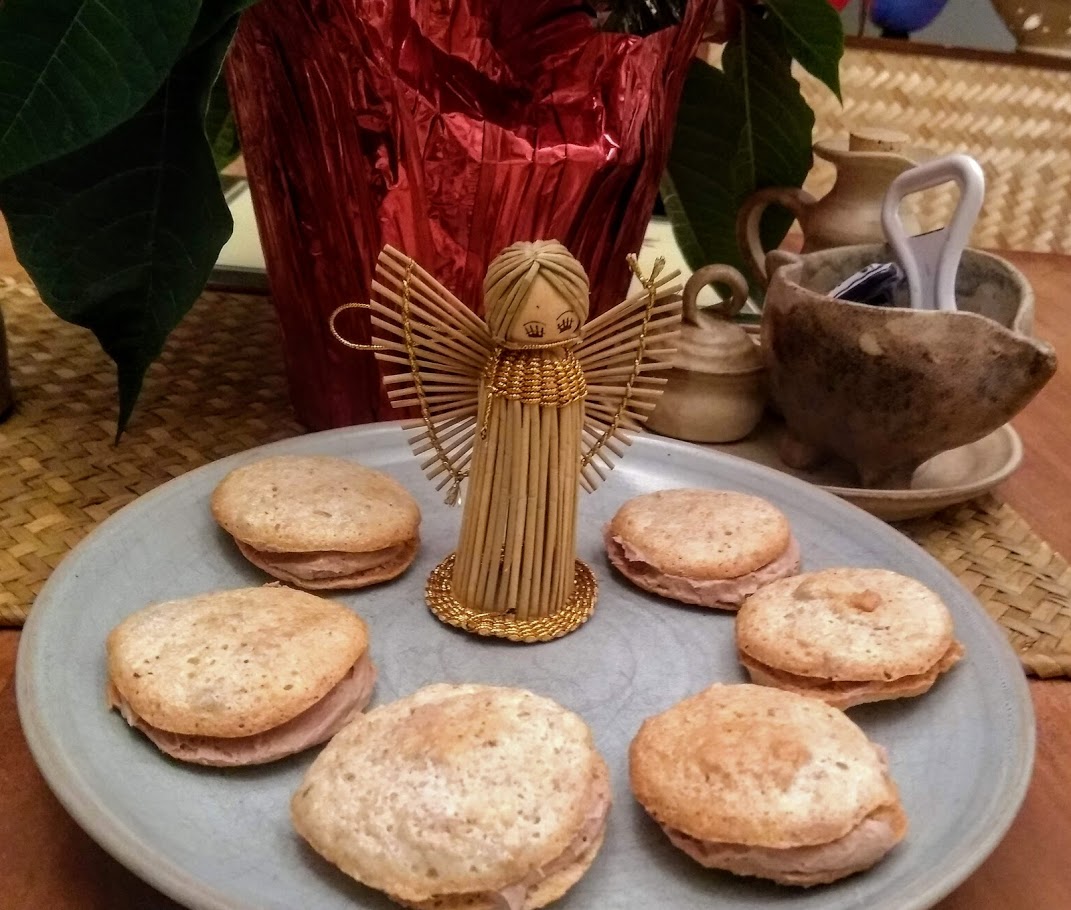
Bite into these chewy nutty meringue-style sandwich cookies to reach the bliss of a delicious chocolate buttercream filling. My mother-in-law usually used roasted hazelnuts or walnuts for the meringue cookie, but some Czechs use blanched almonds. The nut choice will affect the color, a bit. Meant to be a one or two-bite cookie – that is, if you can stop at only one cookie! These were my husband’s favorite Christmas cookie, as a child. The pictured Princezky were made using finely ground roasted hazelnuts, our favorite nut choice. This combination, with the chocolate buttercream, is a little reminiscent of Nutella. Even yummier, in my view. They do crisp up a little over time, but are still great. Continue reading →

Biskupský Chlebíček (Bishop’s Bread)

Bishop’s Bread made in small Rehreucken pan (I used two). Ignore muffins.

Have you ever had Bishop’s Bread? If not, many recipes you’ll see online resemble the notorious fruit cake that Americans joke about as a “re-gifting” item.  My Czech mother-in-law’s recipe does contain some lemon zest, but beyond that, it’s more of a chocolate chip and nut lover’s dream. This cake wonderfully combines bittersweet chocolate with hazelnuts (or walnuts or pecans), with the lemon zest adding just the right bit of pleasant zest for ultimate deliciousness. This sweet bread contains lots of beaten egg whites. Occasionally, I add some chopped candied orange peel to the batter, if I have some left over from making Marokánky cookies. If I do that, I reduce the chocolate and nut quantities slightly. Continue reading →
Christmas cookies & sweets, Cooking, Czech relatedBishop's Bread, Biskupský chlebíček, candied orange peel, chocolate chip nut bread, Czech Christmas, hrubá mouka, nuts, recipes, Rehruecken pan, substitution for coarse flour, substitution for hrubá mouka, sweet breads